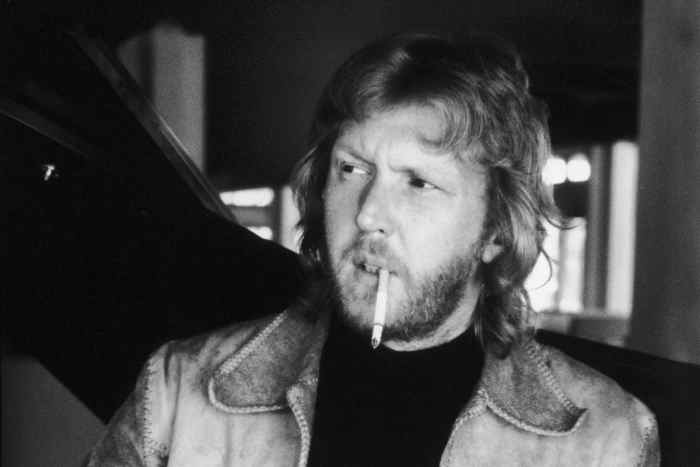
Harry Nilsson's discography is probably one of the most interesting and enjoyable I've ever heard, both in quality and variety (in this the fantabulous box set The RCA Album Collection helped a lot). Undoubtedly in that location have been particularly prosperous periods and others more than barren, merely in general there is always something worht discovering in all of his works. From the fascinating baroque pop betwixt music hall and vaudeville of his early career to the pure and simple "alcohol and drugs induced fun" of the 70s, in that location is something for everyone. So, only for fun, or equally a way to talk near it, I thought I'd collect all his albums and organize them based on my personal tastes. Everything is obviously highly questionable, and it is non a contest at all, and above all there are no "bad" albums.
That being said, allow'due south get started:
Harry Nilsson - The RCA Albums Collection
Flash Harry (1980)
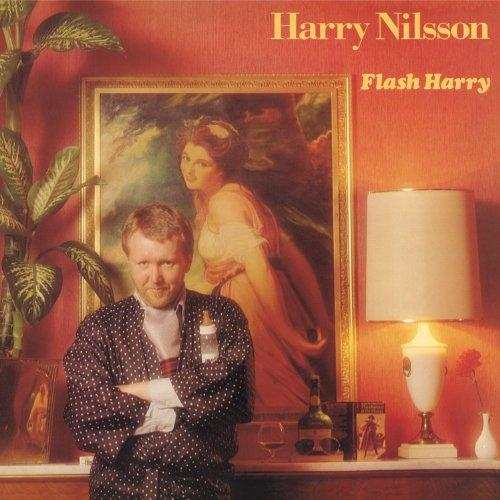
Let's start right from the end of his recording career while he was yet alive (if we don't count varous songs from soundtracks and the unfinished last anthology, released posthumously). After the failed attempt to "render" with the fantabulous Knnilssonn in 1977, Harry is out of RCA, and he ends up releasing a last album with Mercury, which, still, merely released information technology in some countries. Wink Harry is a strange collection of songs curiously opened past the funny Harry, sung by Eric Idle. Despite the first-class production and some good songs (like the embrace of Old Dirt Road by his friend John Lennon), the anthology doesn't have much to say, and information technology ends up in the "curiosity" category, strictly for fans.
Spotlight on Nilsson (1966)
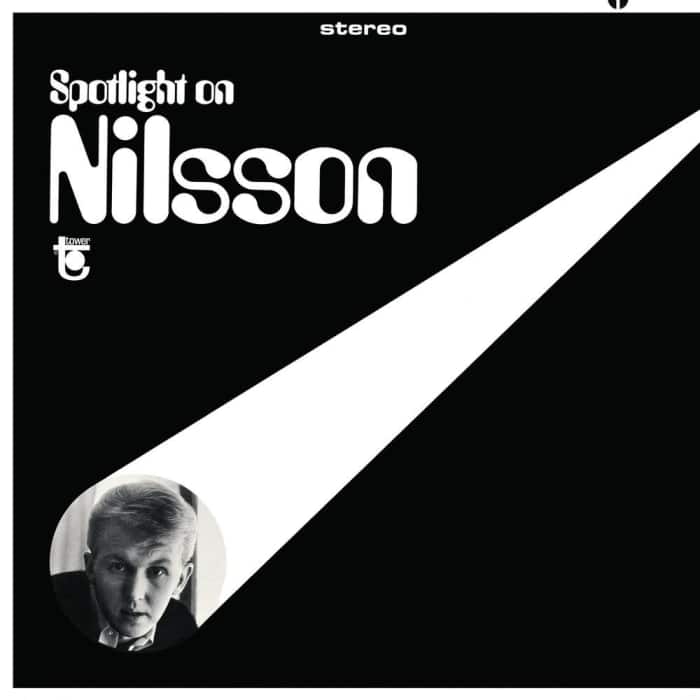
Considered his debut album, actually it is zero more a short collection of singles, more often than not covers, recorded in the very first phase of his career in the mid-60s. There is a lot of R&B, and his iconic voice is nonetheless forming, but it'southward nonetheless an interesting mind. One of these tracks, Adept Times, will be covered past the two remaining Monkees (Micky Dolenz and Michael Nesmith) on their 2016 self-titled album, while also maintaining a vocal bit past the very immature Harry.
Skidoo (1968)
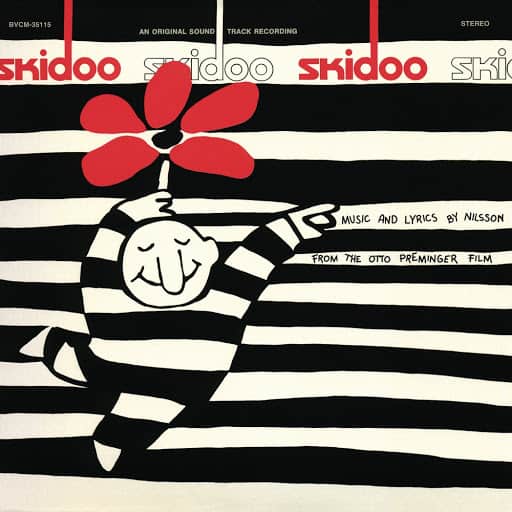
The soundtrack for the film of the same proper noun, entirely composed by Harry and bundled by George Tipton, onetime collaborator on the 2 albums that preceded it, is largely instrumental, just the betoken of interest are the iii sung songs. I Will Take You There could have been part of any of his other albums of the fourth dimension, equally well every bit the lively Garbage Can Ballet, while The Cast and the Crew, opening runway in which Harry sings the credits of the film, is simply brilliant. Unfortunately, given its nature, one will hardly mind to the residue of the album, and that is the merely reason why information technology is so low in the rankings.
...That's the Fashion Information technology Is (1976)
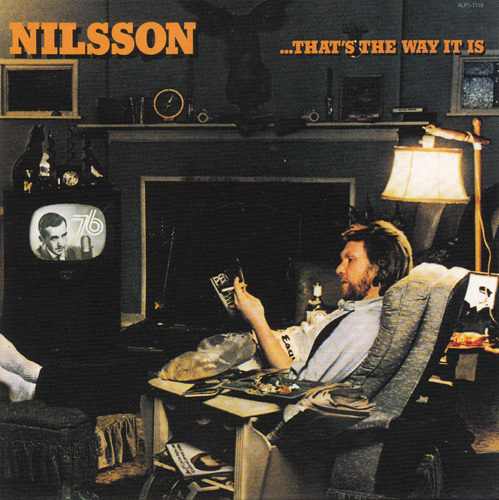
Afterward the commercial failure of the two previous albums, RCA pushed Harry to pull out a cover anthology, perhaps reminiscent of the early lxx's success with the encompass of Without You, and strangely he didn't object. The effect is a somewhat atypical anthology, where the elegance of songs similar That Is All past George Harrison contrasts with the obviously still damaged voice (more than on this when it comes to the Pussy Cats album) in the not so good version of I Demand You by America. We run across a return of a Randy Newman song, Canvas Away, while there is likewise the usual goliardic track with the traditional Zombie Jamboree (Dorsum To Dorsum), initially known equally Jumbie Jamberee (the jumbee are evil spirits who were said to make people dance in a wild way). Beautiful cover, still enjoyable to listen to, simply non one of his best works.
Son Of Dracula (1974)
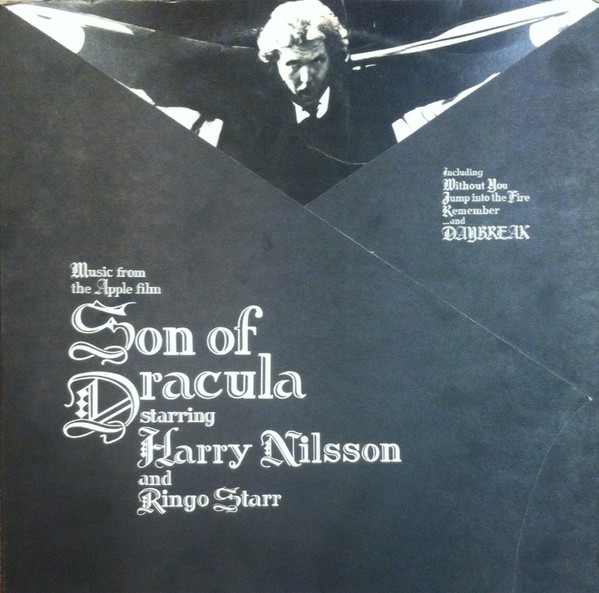
Soundtrack of the motion picture of the same name (with Harry, Ringo Starr and other illustrious guests such as Keith Moon, Peter Frampton, John Bonham, Klaus Voorman and so on), which in fact contains a selection of songs from Nilsson Schmilsson and Son Of Shmilsson, adding just some orchestral interludes by Paul Buckmaster (former collaborator of Elton John) and the new song Daybreak. In short, the music inside is of excellent quality, maybe even better than the curious film (however highly recommended, fifty-fifty if only to have a laugh), but the fact that it is largely already published material does not allow the album to be ranked higher.
Duit on Mon Dei (1975)
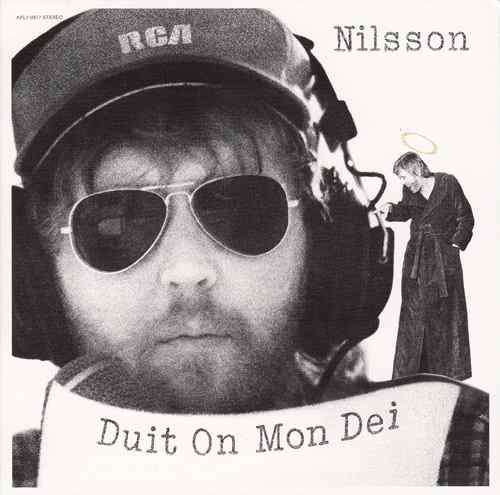
In a sense, the confirmation of the downwards phase of Harry's career that started with Pussy Cats and characterized by his song decline. Here Lennon is no longer the producer, and if we exclude the crazy idea of opening the album with a demo then completed on the next album (Jesus Christ You're Alpine), Duit On Monday Dei (spoof of the motto of the British Monarchy "Dieu et mon droit", God and my right) is a sort of "mardi gras" with an overabundance of steel drums, probably given the influence of his friend Van Dyke Parks. At that place is a lot of fun in this album, interrupted but past a couple of unexpected songs which, ironically, raise the overall level quite a bit. I'm talking about the orchestral Easier For Me, worthy of the previous albums, and Salmon Falls, in which steel drums are used in at least an original way. For the balance, a fun and entertaining album, but far from his best.
Sandman (1976)
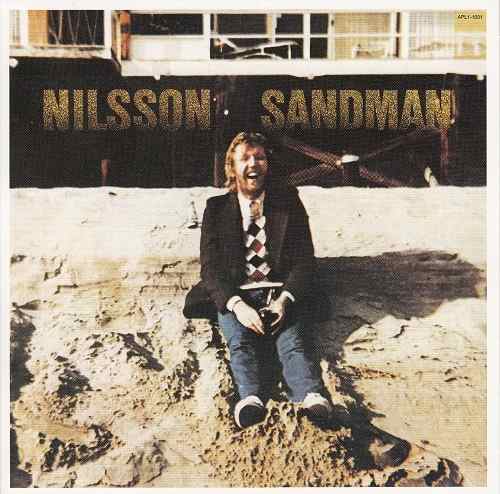
True spiritual and stylistic sequel to Duit on Mon Dei, with which it shares most of the strengths and weaknesses. In that location is a bit more diverseness, and Harry'southward voice seems to choice upwardly some more crystalline tones at times, like in the spectacular barbershop of The Ivy Covered Walls, undoubtedly among the all-time things of this phase of his career. In that location are other good songs, like Something True and the orchestral madness of Will She Miss Me, and in general everything flows better than on the previous one, only there is not a huge difference.
Losst and Founnd (2019)
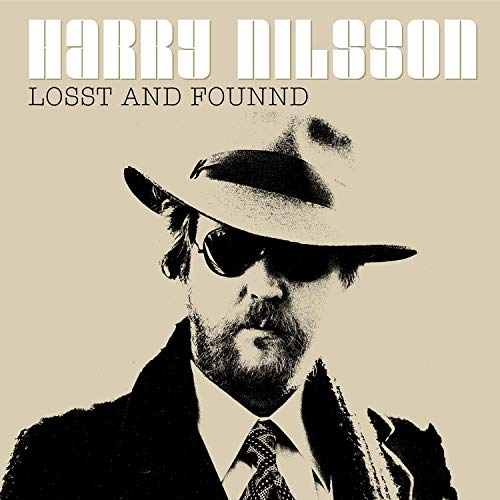
In the early xc's, after more than 10 years from his final anthology, Harry attempted to record a new ane, despite a disastrous coming together with Warner Bros. His health atmospheric condition worsened, and after a center attack in 1993, he died on Jan fifteen, 1994, just 52 years old. He had time to record the song tracks for his and then new anthology, which notwithstanding remained unreleased until 2019, excluding some bootleg demos and a couple of songs in some collection. With the blessing of his family, the album was completed past producer Mark Hudson. Understandably, young Harry is a distant memory, and here we find a number of mature interpretations of good songs, generally in the manner of his afterwards albums, but better overall. Lullaby has its own magnificent interpretation, but the beautiful songs are many, from Try and Adult female Oh Woman, to What Does A Woman Come across in a Homo past Jimmy Webb. At times it's like finding an old friend after years, with all his imperfections that accompany his charm.
Popeye (1980)
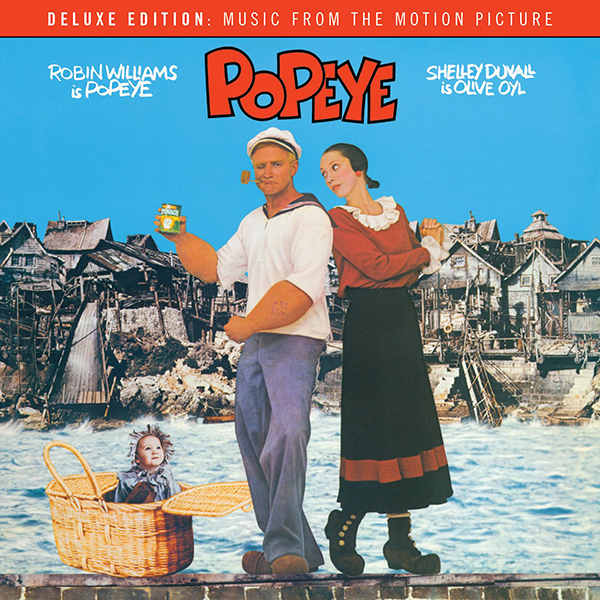
Curious soundtrack of an equally curious film, the existent cinematic debut past Robin Williams. Harry'south songs are sung by the actors of the film, but in recent reissues we can find, as a bonus, the demos he made himself. Listening to both versions, y'all can see how stylistically at that place are several references to his starting time albums, such as Accident Me Down, which seems to come out of the Harry album, or in the first-class Everybody's Got To Swallow. The demos are a joy to listen to, thank you to a newfound clean tone in his phonation, while the interpretations of the actors are still pleasant. In brusque, a strange job with Harry Nilsson on average more than inspired than in his latest albums.
Pussy Cats (1974)
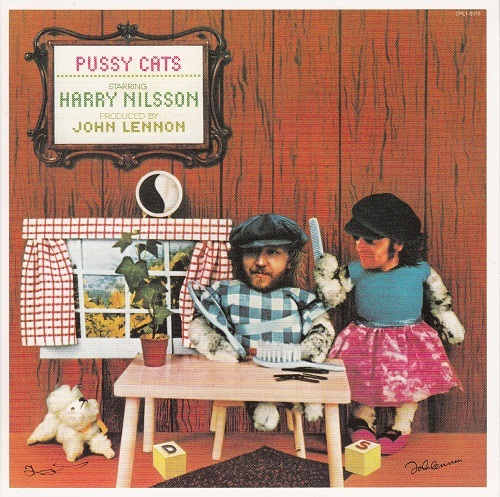
The premises for a legendary album were all there, starting with the production by none other than John Lennon (at the fourth dimension in the middle of his "lost weekend") and the long list of excellent musicians involved, simply fate decided otherwise. Harry'south reckless, partying soul peaked in mid-1970s Los Angeles, and it cost him his vocalism. With considerable damage to the song cords, he went through the sessions without revealing annihilation to Lennon, who was very angry when he learned of what had happened. The result is an anthology of difficult definition, at times a hurting to listen to, and at times funny. The collaboration between Nilsson and Lennon in Many Rivers To Cross solitary is worth the album, while Harry gives the best in songs like Don't Forget Me and Black Sails, as well equally unleashing a magnificent and unexpected vocal like All My Life. The residuum ranges from curious covers of songs such as Loop De Loop, Rock Around The Clock and Subterranean Homesick Blues, to pure emotional and physical suffering in the performance of Sometime Forgotten Soldier. A unique album and a curious listening experience. The cover and the related pun is almost alone worth it.
Knnillssonn (1977)
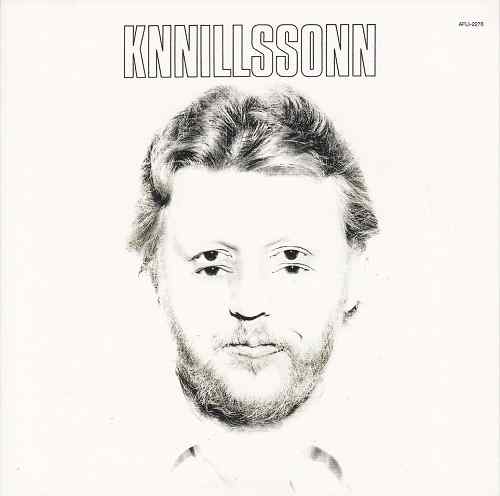
Initially, this was to be Harry's big comeback album, with songs composed by him, great orchestral arrangements, a newfound vocal form... Information technology was his best album since A Piddling Touch Of Schmilsson In The Dark , simply to spoil the party was the death of Elvis Presley, who actually pushed RCA to invest every bit much equally possible on its catalog to capitalize on the effect, catastrophe upwards killing any promotional possibility for Knnilssonn. And it was a great shame, because as well existence one of the very few works entirely composed past him (along with The Betoken!), It is actually a great anthology. With his mature phonation and always appropriate orchestrations, songs like All I Call up Near is You, Perfect Day, or funnier tracks like Who Done It? or Goin 'Downwards represent the best of Nilsson of the second half of the 70s. That palatableness of a large wasted opportunity remains, but otherwise it'south one of the all-time works past him.
Aerial Pandemonium Ballet (1971)
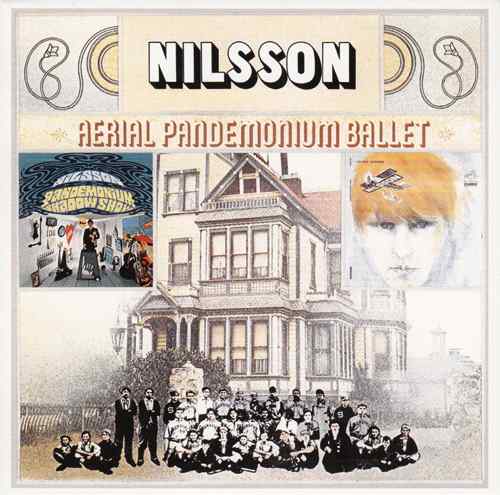
A very item anthology, which ideally closes the first phase of Harry's career, collecting a pick of slightly modified songs from the Pandemonium Shadow Evidence and Aerial Ballet albums. They range from simple remixes to existent new versions, some rearranged, others slowed downwardly, and so on. Nix to say about the choice of songs, also as about the changes made, which although mayhap not necessary, offer a new point of view, but due to its nature it cannot be higher in the charts. There are small touches of class such every bit inserting a quote from One in Mr. Richland Favorite Song, or in full general the whole endmost sequence with Don't Leave Me, Without Her (with new beautiful vocal harmonies), Together and One (this fourth dimension complete), almost without whatsoever break: beautiful.
Pandemonium Shadow Show (1967)
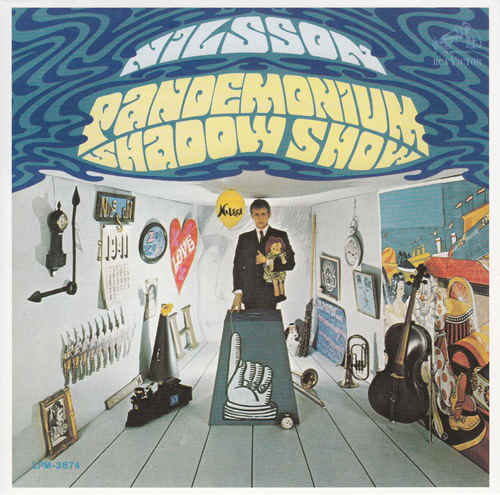
From here on things starts to get serious, and the differences in quality between the various albums are getting thinner. In short, the club of the next titles is relative and hands variable.
His starting time real album has all the characteristics typical of the starting time phase of his career, in addition to those of his best works. Starting with 1941 he already sets things straight, immediately showing Harry'due south very personal tendency to end the songs with scat vocal solos that go out yous speechless. The rest is not far behind, from Cuddly Toy to the calmer Without Her up to one of the kickoff musical mashups in pop history, You Can't Do That, cover of the homonymous Beatles vocal in which Harry inserts countless quotes to other songs past fab four. In short, a spectacular album that possibly lacks just a little more conviction, which will come soon thereafter.
Son of Schmilsson (1972)
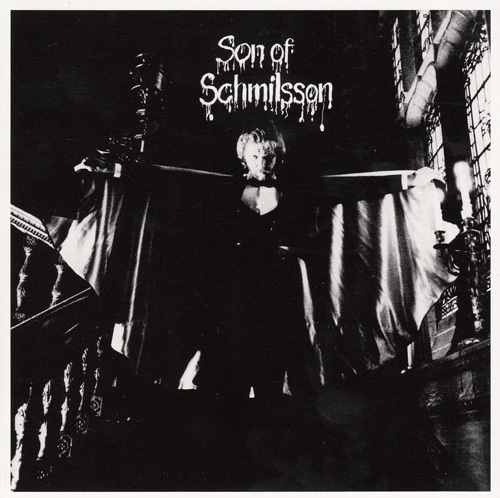
After the great success of Nilsson Schmilsson, everyone was expecting an encore, including his producer Richard Perry. Harry, even so, wanted to do his own thing, publishing a heterogeneous, funny, strange work, only without the much desired "new Without You". There is no shortage of songs with enormous charm, such as the ballads Think (Christmas), Spaceman or Plow On The Radio, just Harry's typical goliardic spirit peeps over and over again, from the state Joy to the hilarious I'd Rather Be Dead, upwardly to the single You're Breaking My Heart. Perhaps one of the albums that all-time collects all of Harry's souls, often divided into albums that are very different from each other, but which in this schizophrenia finds the but "weak" point that does not let it to be ranked higher on this list.
A Little Touch of Schmilsson in the Night (1973)
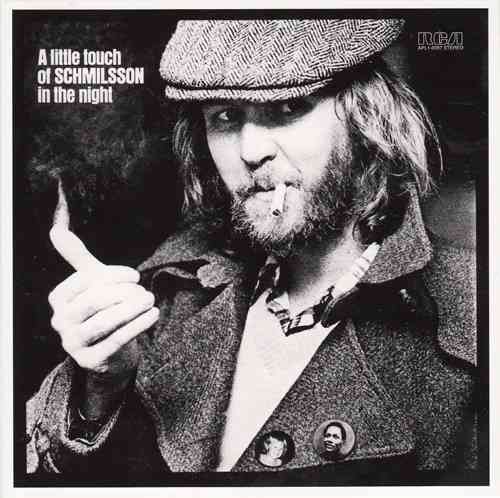
In more recent times it is non uncommon to see the many performers releasing a cover album of standards, but in 1973 this was far from usual. Perhaps enlightened of the fact that with his reckless lifestyle his crystalline voice would not last forever, Harry decided to reinterpret, accompanied by the orchestra, a series of pieces to which he was particularly attached. The result is spectacular: information technology goes from Always to As Time Goes By passing through Makin 'Whoopee, with perfect arrangements and Harry at the top of his interpretative skills. There were as well various outtakes, so added in CD reissues, obviously highly recommended, if merely for his version of Over The Rainbow. This album is like a hot tea on a cold snowy evening. Ironically it is actually the concluding album where Harry's voice tin be heard still intact.
The Point! (1971)
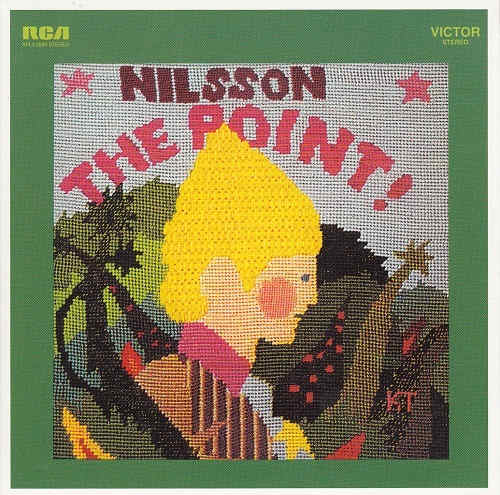
From Harry'southward brilliant idea of creating a cartoon on the concept of "have a point", the story of Oblio was born, told in an animated film narrated by Ringo Starr (in other editions Dustin Hoffman was the narrator). The motion-picture show is very squeamish in its simplicity, while the soundtrack is literally perfect. Despite the questionable option of including narrated sections in the album (here by Harry himself), everything flows beautifully, and songs similar Me And My Pointer, Poly High, Think Virtually Your Troubles, Lifeline, Are You Sleeping? are among the best of his career.
Nilsson Sings Newman (1970)
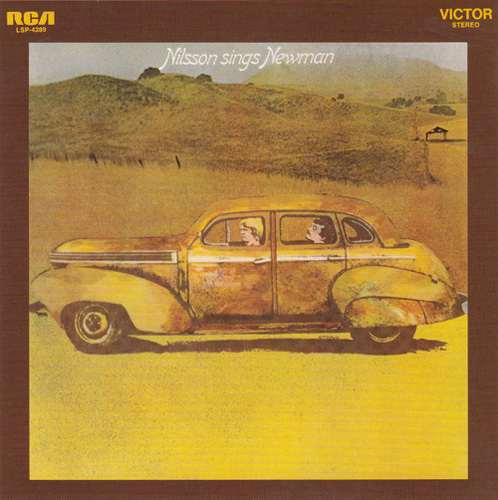
Not a tribute, as the title may suggest, but a existent collaboration. Harry greatly admired Randy Newman equally a composer, and from there the thought of making an album together was born. With Harry on vocals and Newman on pianoforte, in but under half an hour a selection of songs by the latter is given new life, with the use of vocal overdubs and an atmosphere that is hard to draw with words. Versions of Vine Street, Dear Story and Cowboy cause goosebumps. One of the best examples of Harry'south performing skills, one of the best voices at the time.
Nilsson Schmilsson (1971)
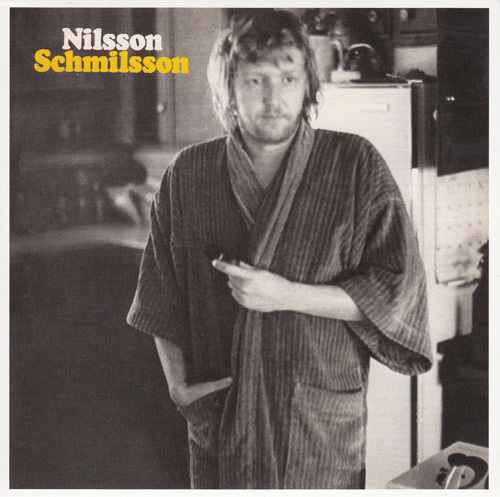
Undoubtedly his about famous anthology thank you to the definitive version of Without You past Badfinger (lamentable fans of Mariah Carey ... or Badfinger ... or Air Supply) and the hilarious Coconut, it tin be said that Nilsson Schmilsson is the album of his maturity. A maturity that comes not only in the two aforementioned songs, but too in the latest reference to his before works in Gotta Get Upwardly (which actually dates dorsum to 1968), or in the extended hard rock of Spring Into The Fire (in which Herbie Flowers performs a bass "solo" in which he detunes and tunes back his bass), simply also in the dramatic I'll Never Leave You, or in the magnificent Goin 'Down. An album that borders on perfection, and perchance the best one from which to start discovering his discography.
Harry (1969)
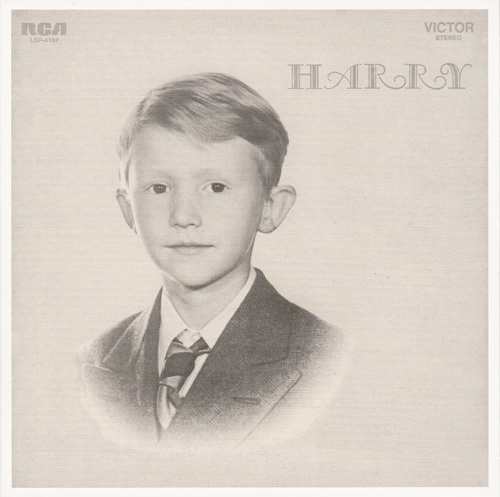
In a certain sense, the culmination of the showtime phase of his career, the culmination of the period betwixt baroque pop and music hall, as well as one of his most incredible vocal performances. There are countless songs worthy of note, from Puppy Song, written for Mary Hopkin, to Perhaps, from the magnificent Rainmaker to the get-go sign of interest in Newman in Simon Smith and The Astonishing Dancing Conduct, passing through small masterpieces such as Nobody Cares About The Railroads Anymore or I Judge The Lord Must Be In New York City (written past Harry specifically for the picture show Midnight Cowboy, merely to exist discarded in favor of his cover of Everybody's Talkin '). Undoubtedly ane of his most dense and fascinating albums.
Aerial Ballet (1968)
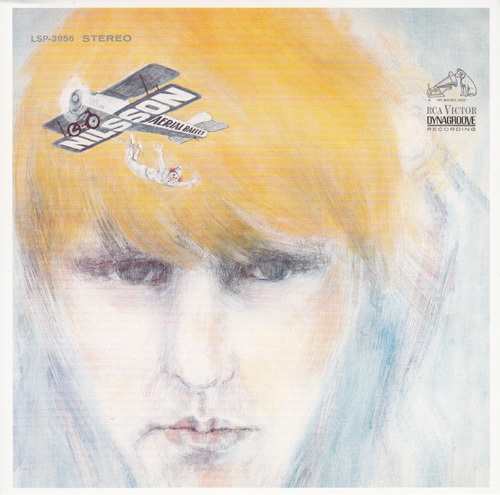
Near any album in the top five is perfectly capable of taking first place depending on the time and mood in which one listens to them, but this Aerial Ballet has something more than that is hard to rationalize. All the ingredients of the previous Pandemonium Shadow Show are re-proposed here with more than confidence, unleashing a series of songs i more beautiful than the other. Obviously the same cover of Everybody's Talkin' is i of the peaks, onad one of the most famous songs of his entire career, but how can you not mention I, which with its phrase "one is the loneliest number that you'll ever practice" gave birth to a proverb still in use? Although other songs did not enjoy the same fame, they have little to green-eyed to the same, starting from Daddy'due south Song (also made famous by the Monkees) to Good Old Desk, from Mr. Tinker to Together, every unmarried song here is a pearl of blinding brightness. The triumph of all that Harry Nilsson's art has to offer.
DOWNLOAD HERE
Posted by: pritchardsirte1986.blogspot.com


0 Komentar
Post a Comment